Curiosity Guided Students from Classroom Questions to Real-World Action at Angevine During Fall Semester. Written by Angevine Middle School CAP Instructor Sara Grillo.
As the semester wraps up, it’s fun to look back at just how much we fit into our time together during our Fall CAP class at Angevine Middle School. It was a semester full of curiosity, class relays, birding challenges, snacks, and real action, with learning happening everywhere from the classroom to the trail.
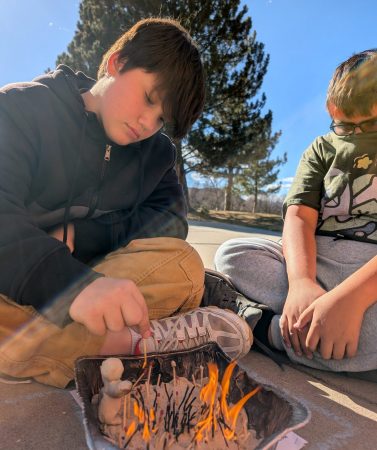 Throughout the term, students explored a wide range of environmental topics, sometimes going deep and sometimes following their curiosity where it led. We learned about wildfire, drought, water, dark skies, birding, and plenty of other topics tied to our local ecosystems and daily lives. Some lessons turned into discussions, others into games or challenges, and many sparked questions that carried into later classes.
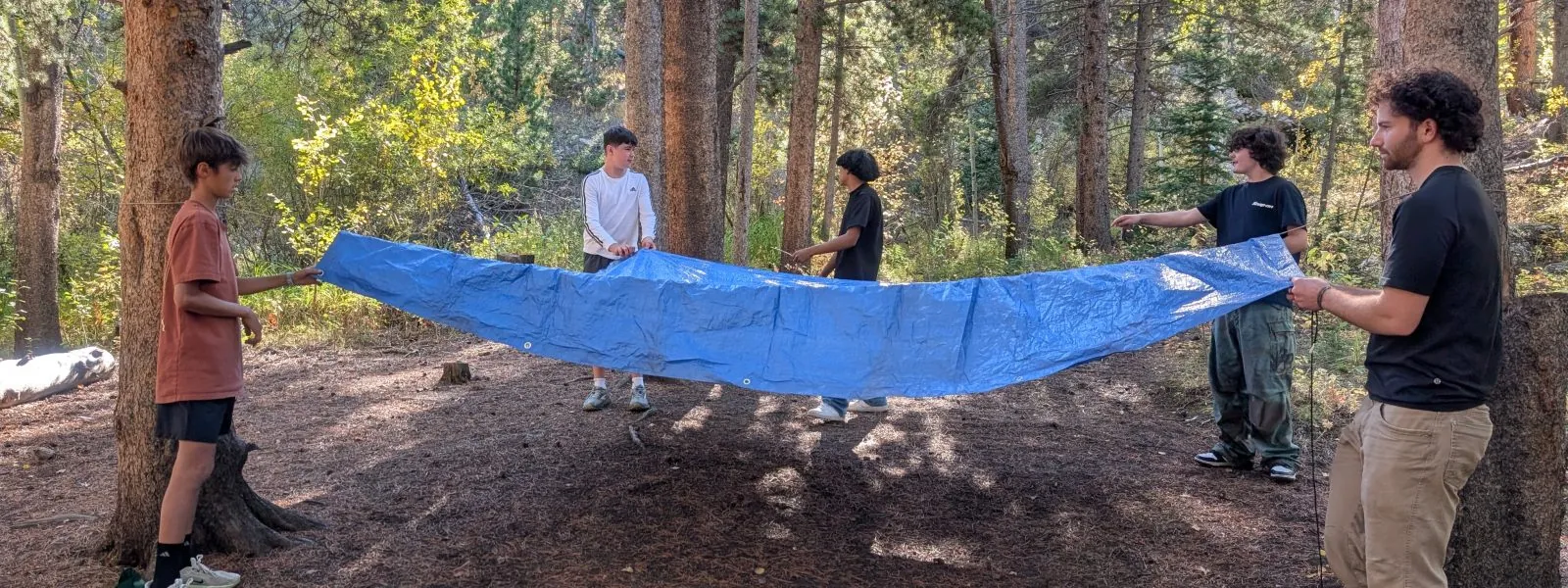
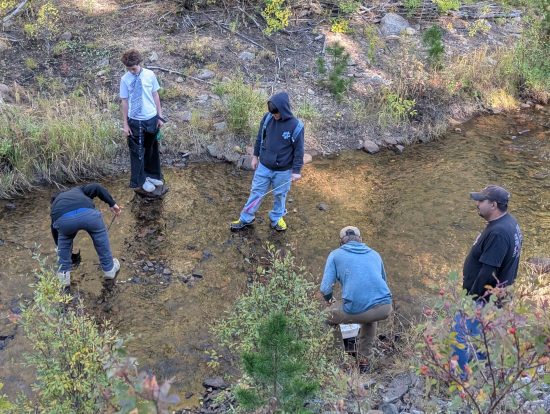
Some of our favorite learning happened outside. Our field day and overnight trips gave students the chance to step out of their normal routines and learn together in a different setting. We focused on building community, trying new things, and spending time in nature without needing to rush.
Along the way, students practiced basic survival skills and wilderness first aid, learning how to take care of themselves, each other, and the spaces they’re in. The goal wasn’t to master everything, it was to build confidence, problem-solve as a group, and get more comfortable being outdoors, even when things felt new or unfamiliar.
 We were lucky to have guest visits from Friends of Coal Creek and EcoCycle, who added new perspectives to what we were learning. Students heard about pollinators, waste systems, and how they could support these in their day-to-day lives. These conversations helped connect classroom learning to real work happening right here in our community.
To wrap up the semester, students chose food waste at our school as their final focus. Students brainstormed ways schools can reduce food waste, including bringing composting back, improving and better promoting the cafeteria share bin, and helping the school community better understand where food waste goes. They turned these ideas into action by creating posters to raise awareness and updating and decorating the share bin to make it more visible and inviting.
This project gave students a chance to think beyond individual choices and look at systems, and how small changes can make a difference when people work together. I’m proud of how students showed up this semester: with curiosity, a willingness to try things, and thoughtfulness about the ideas they were exploring. We covered a lot, asked good questions, and found ways to turn learning into action along the way.
A big thanks to the funders and supporters that make the CAP class possible, including: Enterprise Holdings Foundation, Great Outdoors Colorado, Patagonia, PeyBack Foundation, Strear Family Foundation, Thorne Nature Experience, Tony Grampsas Youth Services Program and the Xcel Energy Foundation.
If you’re also passionate about getting students outdoors for hands-on learning, please consider making a donation or becoming a monthly donor! You’ll help invest in our students, programs, and long-term sustainability and success!
