
Students Discovered how Hydrological Learning can Flow into Unforgettable Adventures while Exploring Colorado’s Waterways
Written by Cooper Perrine, Cottonwood Institute’s 2026 Rookie of the Year Instructor. This 4-day extravaganza of hydrological learning and adventure started where most great adventures do: the parking lot. After everyone found their way to the CSU Spur drop-off spot and said their goodbyes, we were left with a group of kids whose nervous smiles soon turned to excited ones. We headed to the hydrology building, where our fantastic interns taught us about watersheds, and we got our hands dirty creating our very own model watershed with sand. A chance encounter with one of the technicians in the grey water lab afforded us the opportunity to learn about a unique resource for hydrologists: The CSU Hydro building contains one of the widest ranges of water samples containing different contaminants pertinent to research.
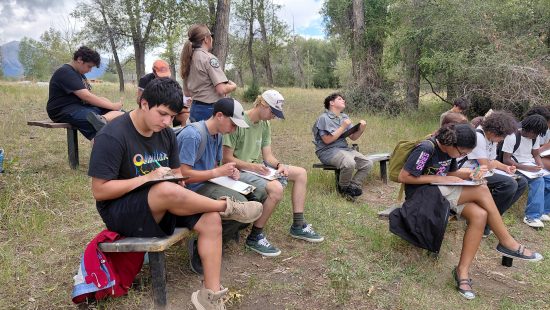 The two and a half hour drive to our campsite went way quicker thanks to the fantastic collaborative playlist we made, and what better way is there to get to know someone than seeing whether they like The Smiths or not. When we finally arrived at the scenic Silver Cliff Ranch, we had some good luck with dodgy weather and got to play the ultimate competitive sport: Water Bottle Shoe! There were shoes flying everywhere, and a spirit of collaboration and confidence began to emerge throughout the group. With a great dinner and a cozy camp site, that concluded day one.
Day two started off at the Chalk Cliff Fish Hatchery where we learned about the distinct environmental threats to fish in Colorado. We were each given a red bucket filled with fish food to throw to the absolutely ridiculous number of rainbow trout cruising the shores of the hatchery. For a more artistic endeavor there was also an option to do Gyotaku, a Japanese printing technique where you apply ink directly to a fish and press it on paper. We, however we used rubber molds instead.
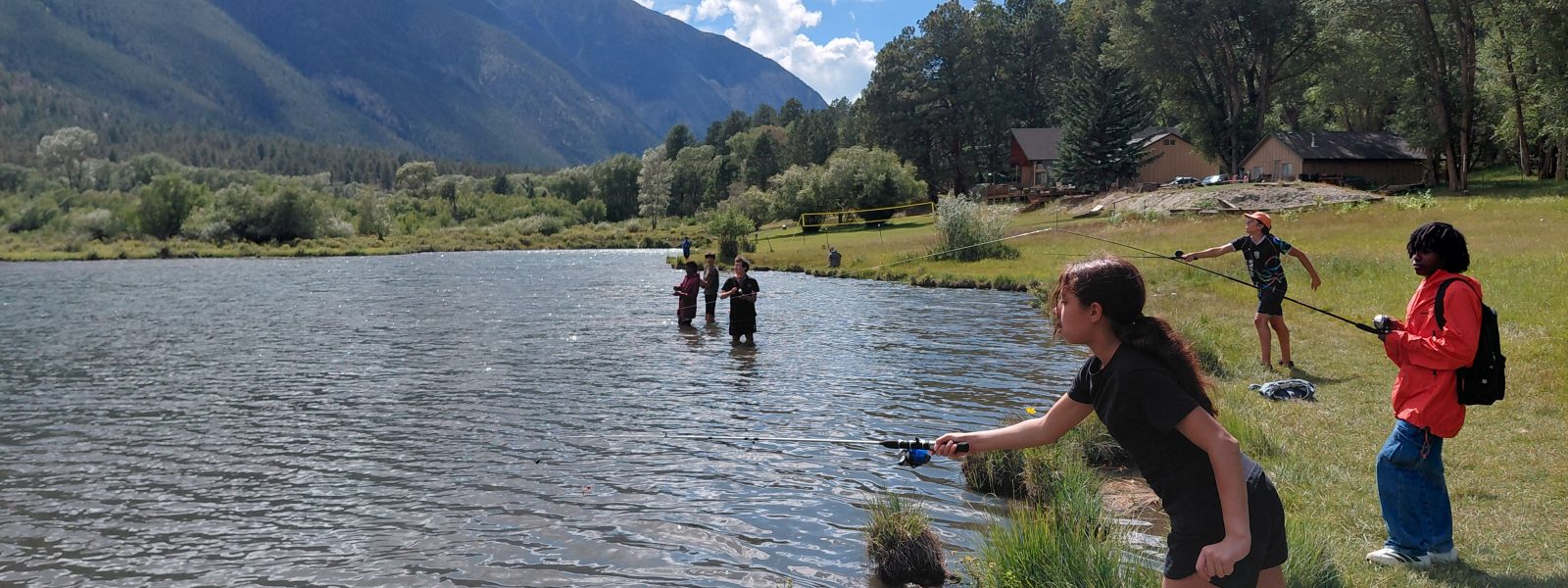
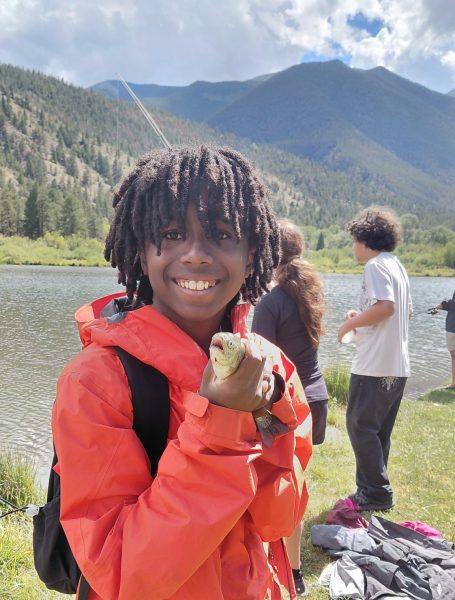
To continue our streak of hands-on learning, we partnered with River Watch of Colorado to test the quality of the Arkansas River. Don’t worry, it turns out she’s doing alright. We topped it all off with an incredibly successful fishing trip. I spent the whole time running back and forth helping kids get fish off their hooks. That’s the definition of suffering from success. We came back to a complete downpour, frightened by the potential of a flash flood on the easily erodible chalk cliffs. We then retreated to the on-site gym to wait it out. After being treated to a delicious dinner at our refuge, everyone had regained enough energy for a nighttime game of hide and seek. I was both impressed with their ability to all fit in the same spot and also to pick the most conspicuous place to hide.
 The highly anticipated day three finally came around. At long last, it was time for white water rafting. Nerves were high while we suited up in water shoes, helmets, and PFDs. The same question was floating around everyone’s head: Are we actually going to need all this safety gear? Class 4 and 5 rapids felt daunting at first, but we soon learned we were in good hands with our raft guides.
We went through the beautiful Browns Canyon with wide smiles on our faces and full of curiosity. When it came down to it, everyone committed to the high sides and paddled with all they had, and we made it through unscathed. For their last night at camp, we formed three teams to compete head-to-head in a Mac’n Cheese cook-off. It was a fierce competition, and every team gave it their all, but at the end of the day only one could win.
By day four, everyone was exhausted, and their heads were full of new experiences after our hydrological adventures. We sat down in a circle by the river to reflect. It was just like the circle that we had started off in while at the CSU Spur parking lot, but our group had undergone a distinct change. Strangers had become friends, nervousness had become confidence, and with those goals accomplished, we were ready to be on our way.
A big thanks to the funders and supporters who make this transformative program possible, including AXL Academy, Climax Molybdenum, Confluence Colorado, and the Walton Family Foundation.
If you too are passionate about getting students outside for hydrological learning and adventure, please consider making a donation or becoming a monthly donor! You’ll help invest in our students, programs, and long-term sustainability and success!
DONATE TODAY